
Tenderize
Staking protocol that enables users to stake tokens and earn rewards without locking tokens.


What is Tenderize?
Tenderize is a liquid staking protocol pioneering what it calls Liquid Staking 2.0 — an approach that enables staking without lockups while preserving a decentralized validator set. Founded in December 2021 by Nico Vergauwen, Tenderize lets users stake cryptocurrencies to receive staking rewards and tenderTokens, which are 1:1 ERC-20 derivatives of the underlying deposit that can be freely traded or used in DeFi. Tenderize currently supports Sei, Livepeer, The Graph, and Polygon, with Hyperliquid support planned. The ecosystem includes BeefyBank for borrowing stablecoins against staked positions, Liquid Delegation for choosing specific validators, and TenderSwap for instant unstaking. The $WAGYU token serves as the value accrual and governance token of the Tenderize ecosystem.
Web3 dapps and developer tools related to Tenderize
Discover blockchain applications that are frequently used with Tenderize.
 Lista DAO
 BitFi
BitFi
 MultichainZ
 RockSolid Network

Developer resources from Alchemy
Best blockchain API for stablecoin payments and monitoring
A stablecoin payments API has two jobs: moving money and watching it. Here's what to look for in real-time monitoring, multi-chain, and agent payments.
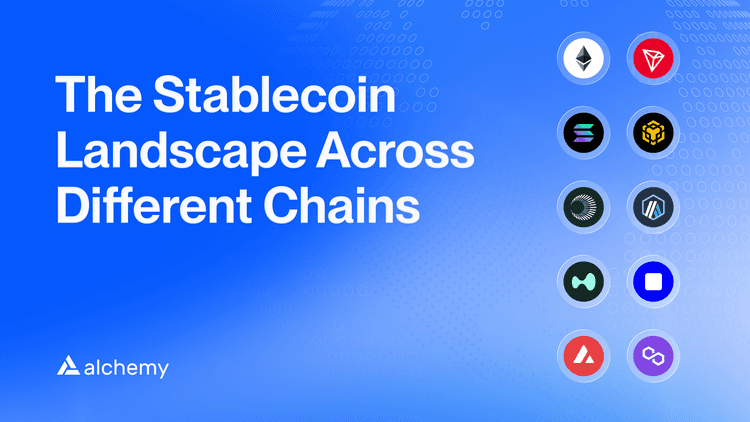
The stablecoin landscape across different chains
A data-driven look at where $300B+ in stablecoins actually live and move across major blockchains like Ethereum, Solana, Tron, and emerging L1s.
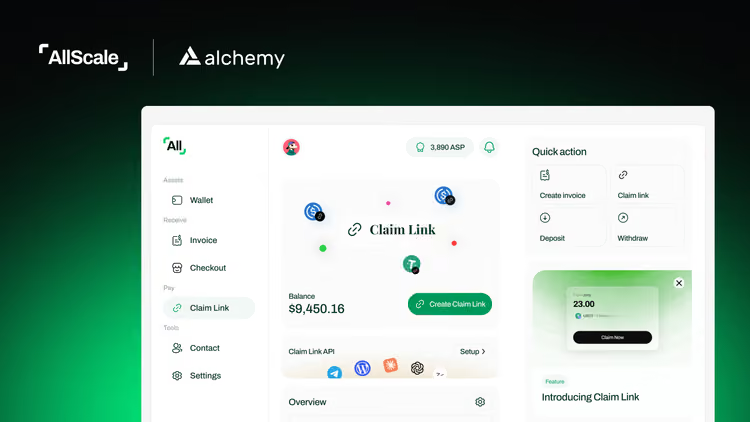
How AllScale powers fast, reliable stablecoin payments at scale
AllScale standardized blockchain reads and transaction requests on Alchemy Node API to power stablecoin checkout, invoicing, payroll, and payouts.
Tenderize alternatives
Explore web3 competitors and apps like Tenderize.
 ether.fi
 Crypto.com Liquid Staking

 Kava Liquid
 Liquid Collective
App store listings are independently reviewed and written by Alchemy using a combination of inbound submissions, editorial research, public project sources, and third-party directories, including ecosystem data from The Grid under the Open Database License, DefiLlama, DappRadar, Reown, and chain ecosystem pages.